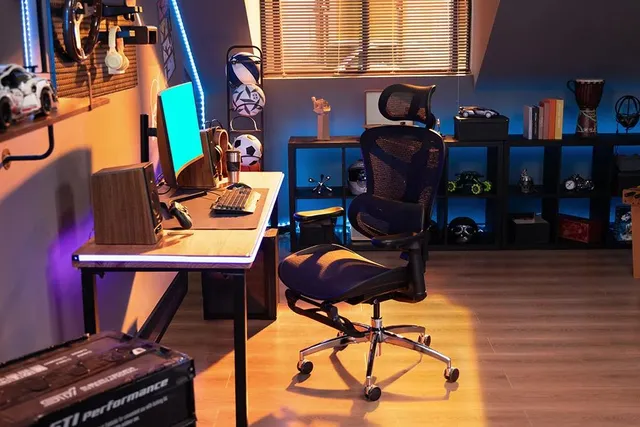
Choosing the best chairs for long hours of sitting can make a significant difference to everyday comfort, productivity, and the overall working experience. Whether you work from home, spend hours at an office desk, study for exams, or use a computer for extended periods, the right chair can help you maintain a comfortable sitting position and reduce unnecessary strain.
With so many office chairs, ergonomic chairs, executive chairs, and gaming chairs available, finding the right option can feel overwhelming. The best choice depends on your body size, desk setup, budget, and the features you need for daily use.
In this guide, we explore the most popular types of chairs for extended sitting, the features worth considering, and practical tips for choosing a chair that suits your workspace.
Why Choosing the Right Chair Matters
Sitting for long periods can place sustained pressure on different parts of the body, particularly when a chair does not provide adequate support. An unsuitable chair may contribute to discomfort in the lower back, shoulders, neck, and hips.
A well-designed chair can support a more comfortable sitting posture by allowing you to adjust the seat height, backrest, and armrests to your needs. However, even an expensive ergonomic chair cannot replace regular movement and breaks throughout the day.
For people who spend several hours working at a desk, investing time in selecting a suitable chair can improve comfort and make the workspace more practical.
Types of Chairs Suitable for Long Hours
1. Ergonomic Office Chairs
Ergonomic office chairs are among the most popular choices for people who work at a desk throughout the day. They are designed with adjustable features that help users find a comfortable sitting position.
Common features include adjustable seat height, lumbar support, armrests, reclining backrests, and seat-depth adjustment. Some models also offer adjustable headrests and flexible back supports.
These chairs are particularly useful for office employees, remote workers, programmers, writers, and students who spend substantial time using a computer.
When comparing ergonomic chairs, prioritise adjustability and proper fit rather than relying on marketing claims.
2. Mesh Office Chairs
Mesh chairs use breathable material across the backrest, and some models also feature mesh seats. Their ventilation can make them a practical choice for warm offices and rooms without strong air conditioning.
Many mesh office chairs include lumbar support, adjustable armrests, and reclining functions. However, comfort varies depending on mesh tension, seat cushioning, frame design, and the quality of construction.
If you prefer a cooler sitting experience, a mesh-backed chair may be worth considering.
3. High-Back Office Chairs
High-back chairs provide additional backrest height and may include a headrest for people who appreciate extra support while reclining.
They are available in both ergonomic and executive designs. Some models offer extensive adjustment options, while others focus mainly on appearance and padded upholstery.
Before buying a high-back chair, check whether the backrest and headrest fit your height. A taller backrest is not automatically more comfortable if the chair lacks appropriate lumbar support.
4. Executive Office Chairs
Executive chairs often feature padded seats, upholstered backrests, and a traditional professional appearance. They can be suitable for offices, meeting rooms, and home workspaces where cushioning and style are priorities.
However, some executive chairs offer fewer adjustments than dedicated ergonomic models. Thick padding can also retain heat, depending on the upholstery.
Look for adjustable seat height, supportive cushioning, a stable base, and a backrest that suits your sitting position.
5. Gaming Chairs
Gaming chairs are designed for computer gaming and often feature a high backrest, reclining mechanism, and padded armrests. Some models also include adjustable lumbar cushions and head pillows.
They may suit people who enjoy a more structured, high-back design. Nevertheless, gaming chairs vary widely in seat shape, firmness, and adjustability.
For long work sessions, compare a gaming chair with an ergonomic office chair rather than assuming that a racing-style design provides better support.
Essential Features to Look For
Before purchasing a chair for extended sitting, consider the following features.
Adjustable Seat Height
Your feet should rest comfortably on the floor or on a footrest, with your knees roughly level with or slightly lower than your hips. An adjustable seat makes it easier to match the chair to your height and desk.
Lumbar Support
Lumbar support helps accommodate the natural curve of the lower back. Some chairs offer fixed support, while others allow you to adjust its height or depth.
The most suitable design is one that fits your body without creating uncomfortable pressure.
Seat Depth and Width
A properly sized seat should provide adequate support for your thighs without pressing into the backs of your knees. Ideally, there should be a small gap between the seat edge and the back of your knees when you sit back against the backrest.
People with different body sizes may need different seat dimensions, so checking measurements before ordering is important.
Adjustable Armrests
Armrests can help support your forearms when positioned correctly. Ideally, your shoulders should remain relaxed rather than raised, and your elbows should stay close to your body.
Adjustable armrests are particularly useful when sharing a chair between people or using desks of different heights.
Comfortable Seat Cushion
Seat comfort depends on more than softness. Cushion density, shape, material, and how well the seat distributes pressure can all affect the sitting experience.
A seat that feels comfortable for five minutes may not remain comfortable after several hours. If possible, test the chair before buying it or check the retailer's return policy.
Reclining and Tilt Functions
A reclining backrest allows you to change your sitting position throughout the day. Adjustable tilt tension can help you find a position that feels comfortable without requiring excessive effort.
Movement between comfortable positions is generally more practical than maintaining one rigid posture for hours.
Build Quality and Weight Capacity
Check the manufacturer's stated weight capacity, frame construction, base stability, wheel quality, and warranty coverage. A chair should be appropriate for your body size and intended use.
Reading detailed customer reviews may also help identify recurring issues involving durability, assembly, or adjustment mechanisms.
How to Choose the Best Chair for Your Needs
The best chair depends on how you plan to use it.
·
For office work: Consider an adjustable ergonomic chair with suitable lumbar support.
·
·
For a warm environment: Look at mesh-backed designs with breathable materials.
·
·
For home offices: Balance comfort, adjustability, dimensions, and available space.
·
·
For gaming and computer use: Compare ergonomic office chairs and gaming chairs based on fit and support.
·
·
For studying: Look for a stable chair with a comfortable seat, appropriate height, and useful back support.
·
·
For a limited budget: Focus on essential adjustments and build quality instead of decorative extras.
·
If you spend most of your day at a desk, a chair that fits your body and allows several adjustments is often a better starting point than one selected solely for appearance.
Tips for Staying Comfortable While Sitting
Even the best chair cannot prevent every problem associated with prolonged sitting. A few simple habits can make your workspace more comfortable.
Keep your screen at a comfortable height. Position the monitor so you can view it without repeatedly bending your neck forward.
Adjust your desk and chair together. Your chair should support your feet and back while allowing your arms to reach the keyboard comfortably.
Take regular movement breaks. Stand up, walk briefly, or change positions throughout the day rather than remaining seated continuously.
Avoid forcing one perfect posture. Comfortable posture varies between individuals. Changing positions regularly can be more useful than trying to hold a rigid position all day.
Organise your workspace. Keep frequently used items within easy reach to reduce unnecessary twisting and stretching.
If sitting causes persistent pain or numbness, consider seeking advice from a qualified healthcare professional.
Common Mistakes to Avoid When Buying an Office Chair
One common mistake is choosing a chair based only on its appearance. A stylish chair may not offer enough adjustability for extended desk work.
Another mistake is assuming that a higher price guarantees better comfort. Fit, construction, materials, and adjustment options matter just as much.
Buyers should also avoid ignoring seat dimensions, checking weight capacity, or overlooking warranty and return conditions. These details can make a significant difference after the chair has been used for several weeks.
Finally, do not assume that additional cushions or accessories automatically improve support. Choose features that address your actual comfort needs.
Conclusion
The best chairs for long hours of sitting combine suitable dimensions, comfortable cushioning, useful adjustments, and reliable construction. Ergonomic office chairs are a strong starting point for many desk workers, while mesh chairs, executive chairs, and gaming chairs may suit different preferences and environments.
Before making a purchase, compare seat height, lumbar support, seat depth, armrest adjustment, materials, and warranty coverage. If possible, test the chair and check that it fits both your body and your desk.
Most importantly, remember that good seating is only one part of a comfortable workspace. Regular movement, sensible desk positioning, and changes in posture are also valuable habits for people who spend much of the day sitting.