The Essential Role of T-Shirt Printers in Custom Apparel Production
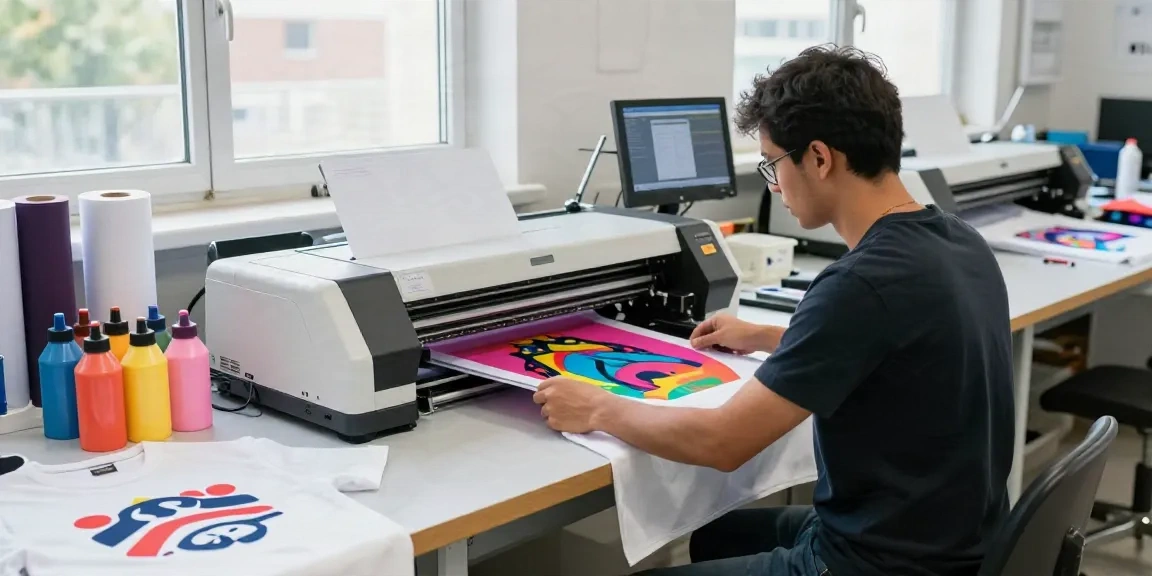
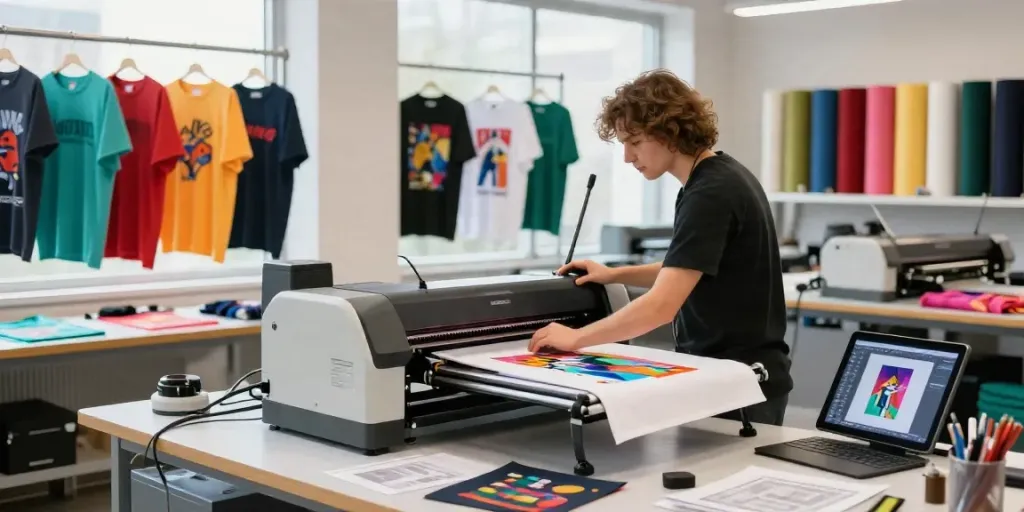
In today's competitive apparel market, the ability to produce customized clothing quickly and efficiently has become a necessity for businesses of all sizes. An impresora de camisetas plays a pivotal role in this process, allowing entrepreneurs to create bespoke designs tailored to customer preferences. With advancements in printing technologies, businesses can harness the power of sublimation, direct-to-garment (DTG), and direct-to-film (DTF) printing to offer high-quality products that meet the demand for personalized fashion. This article will explore the crucial aspects of t-shirt printing that can enhance your business operations.
Understanding the Different Types of T-Shirt Printers
The world of t-shirt printing encompasses various technologies, each with its unique benefits and applications. The primary types of printers utilized in custom apparel production include:
- Sublimation Printers: Best for producing vibrant, long-lasting designs on polyester fabrics. These printers excel in color accuracy and are ideal for high-volume orders.
- Direct-to-Garment (DTG) Printers: Capable of delivering high-resolution prints directly onto various types of fabric, DTG printers are perfect for small order quantities and intricate designs.
- Direct-to-Film (DTF) Printers: This emerging technology allows for flexible printing on a wider range of materials, offering excellent durability and vivid colors.
- Vinyl Cutters: While not a direct printing method, vinyl cutting allows for the precision application of graphics. It's often used alongside other printing techniques for added customizability.
Benefits of Using Impresora de Camisetas for Your Business
Investing in a high-quality impresora de camisetas can significantly enhance your apparel business in several ways:
- Increased Control: Having an in-house printer allows you to manage the quality of your products, ensuring that every piece meets your high standards.
- Fast Turnaround: Being able to print on demand reduces the lead time for fulfilling customer orders, increasing customer satisfaction.
- Cost Efficiency: Over time, owning a printer can save costs associated with outsourcing print jobs, allowing for greater profit margins.
- Flexibility in Design: The ability to create unique, custom designs quickly lets you respond to market trends and customer requests more effectively.
How T-Shirt Printing Technology Has Evolved
The evolution of t-shirt printing technology has been remarkable. Key developments include:
- Advancements in Ink Technology: Modern inks are more vibrant, environmentally friendly, and durable, leading to higher quality prints.
- Improved Print Speed: Contemporary printers operate faster than ever, enabling businesses to meet bulk orders without sacrificing quality.
- Integration with Design Software: Seamless integration with various design programs simplifies the workflow, making it easier to produce intricate designs.
Choosing the Right Impresora de Camisetas for Small Businesses
Selecting the appropriate t-shirt printer requires careful consideration of several factors to ensure that the equipment aligns with your business needs and goals.
Factors to Consider When Selecting Printing Equipment
When choosing a t-shirt printer, businesses should evaluate the following:
- Print Volume: Determine how many shirts you plan to produce weekly or monthly and select equipment that meets these demands.
- Fabric Compatibility: Ensure that the printer can handle the specific fabrics you intend to work with, whether cotton, polyester, or blends.
- Budget: Analyze the initial investment against potential returns, factoring in ongoing maintenance costs.
- Ease of Use: Consider a printer that offers user-friendly interfaces and requires minimal setup time for optimal efficiency.
Cost vs. Quality: Finding the Balance
Finding a balance between cost and quality is crucial for small businesses. High-quality printers are often more expensive, but they offer better durability and print quality, leading to customer satisfaction. Investing in reliable equipment can help you avoid frequent repairs and replacements, ultimately saving you money in the long term.
Best Practices for Operating T-Shirt Printers Efficiently
Maximizing the efficiency of your t-shirt printing operation requires adopting best practices such as:
- Regular Maintenance: Schedule routine checks and servicing to keep your printer in optimal condition.
- Organized Workflow: Streamline processes to minimize downtime and improve productivity.
- Staying Updated: Keep abreast of the latest printing technologies and trends to ensure your operations remain competitive.
Maximizing the Quality of Your T-Shirt Designs
High-quality designs are at the heart of successful t-shirt printing. Implementing the right techniques can significantly enhance the final product.
Essential Techniques for Vibrant Sublimation Printing
To achieve vibrant results in sublimation printing, consider these essential techniques:
- Use High-Quality Graphics: Start with well-designed graphics that are optimized for the specific printing method.
- Proper Ink Settings: Adjust ink profiles and color settings based on the fabric type for optimal output.
- Temperature and Time Control: Ensure that the right temperature and transfer time are maintained during the sublimation process for vibrant colors and durability.
Common Mistakes to Avoid in T-Shirt Printing
Awareness of common pitfalls can help improve your t-shirt printing outcomes:
- Neglecting Fabric Quality: Always use high-quality fabrics that suit your printing method to avoid issues with washes and prints fading.
- Ignoring Printer Settings: Ensure that the printer is set correctly for each job, as improper settings can lead to poor print quality.
- Overlooking Design Resolution: Low-resolution designs can result in pixelation, negatively affecting the final print.
How to Perfectly Prepare Your Designs for Printing
Preparing your designs for printing involves several steps:
- Color Matching: Ensure that colors on screen match those in print by using color calibration tools.
- Checking Layouts: Double-check design layouts to avoid misalignment during printing.
- File Formats: Use appropriate file formats that maintain quality during the printing process, such as PNG or TIFF.
Streamlining Your T-Shirt Production Process
Streamlining the production process is essential for both efficiency and profitability. Identifying the right workflow will help reduce time and costs.
Setting Up an Efficient Workflow in Your Print Shop
An efficient workflow involves organizing your workspace, ensuring that all necessary tools and supplies are easily accessible. Establishing clear stages in the printing process - from design to final quality checks - can significantly reduce errors and delays.
Leveraging Technology to Enhance Productivity
Integrating technology, such as automated systems for inventory management and order processing, can greatly enhance productivity. Utilizing software that tracks orders, manages client communications, and schedules production timelines will keep operations running smoothly.
Integrating Online Sales with In-House Production
By integrating your e-commerce platform with your production process, you can streamline order fulfillment. This approach minimizes order errors and ensures customers receive their products in a timely manner, ultimately boosting satisfaction and retention.
Future Trends in T-Shirt Printing Technology by 2026
As we look towards 2026, several trends are set to redefine the t-shirt printing landscape, providing insights into what businesses can expect in the coming years.
Emerging Technologies Shaping the Apparel Industry
Innovative technologies such as AI-driven design tools, advanced printing methods, and eco-friendly materials are leading the charge. These advancements not only improve quality but also enhance the sustainability of apparel production.
How Sustainability is Influencing T-Shirt Printing Choices
With growing awareness of environmental impact, businesses are increasingly adopting sustainable practices. This includes using organic fabrics, eco-friendly inks, and energy-efficient printing equipment, helping brands appeal to environmentally conscious consumers.
Predictions for the Custom Apparel Market Landscape
The custom apparel market is expected to grow significantly, driven by trends in personalization and on-demand production. Consumers will increasingly seek unique products tailored to their preferences, pushing businesses to adopt flexible and agile production methods.
What type of impresora de camisetas is best for small businesses?
Small businesses should consider printers that offer versatility and quality without a massive initial investment. DTG and DTF printers provide excellent options, catering to diverse fabric types and design complexities.
How much does a high-quality t-shirt printer cost?
The cost of a high-quality printer varies widely depending on the technology and capabilities. Small businesses can expect to invest anywhere from $2,000 to $25,000, with ongoing costs for maintenance, ink, and materials.
Can I print my own designs at home using an impresora de camisetas?
Yes, many modern t-shirt printers are designed for user-friendly operation, allowing individuals to print their custom designs from home. This can be a profitable venture, especially for those looking to enter the custom apparel market.
What are the advantages of digital textile printing?
Digital textile printing offers several advantages, including reduced waste, faster turnaround times, and the ability to create high-quality, intricate designs on demand.
How do I maintain my t-shirt printer for optimal performance?
Regular maintenance is crucial for optimal performance. This includes cleaning print heads, using the correct inks, and following the manufacturer's recommendations for upkeep and servicing.